📍 Location
Location Map Coordinates 35.887325, 14.522449
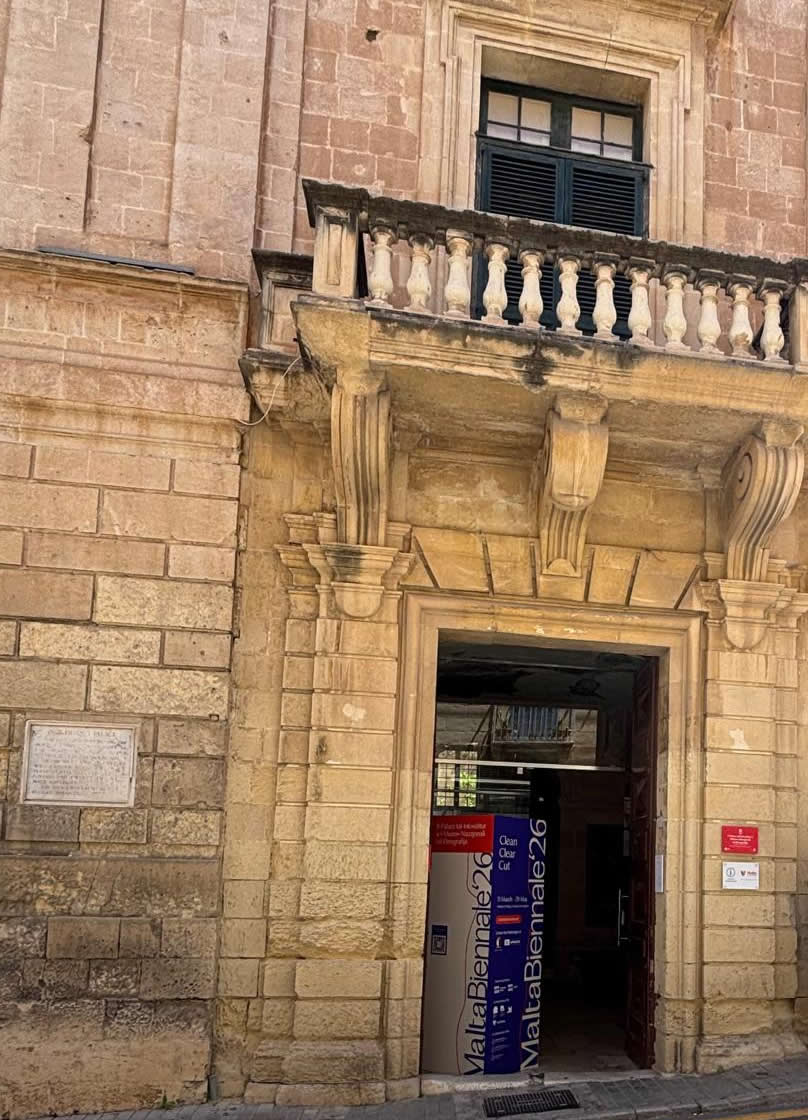
The Inquisitor’s Palace in Birgu, Malta, is one of the most historically significant buildings on the Maltese Islands, representing over 500 years of continuous use and transformation. Located within the fortified city of Birgu (Vittoriosa), the palace reflects Malta’s evolution from a stronghold of the Knights of St John to a modern European nation.
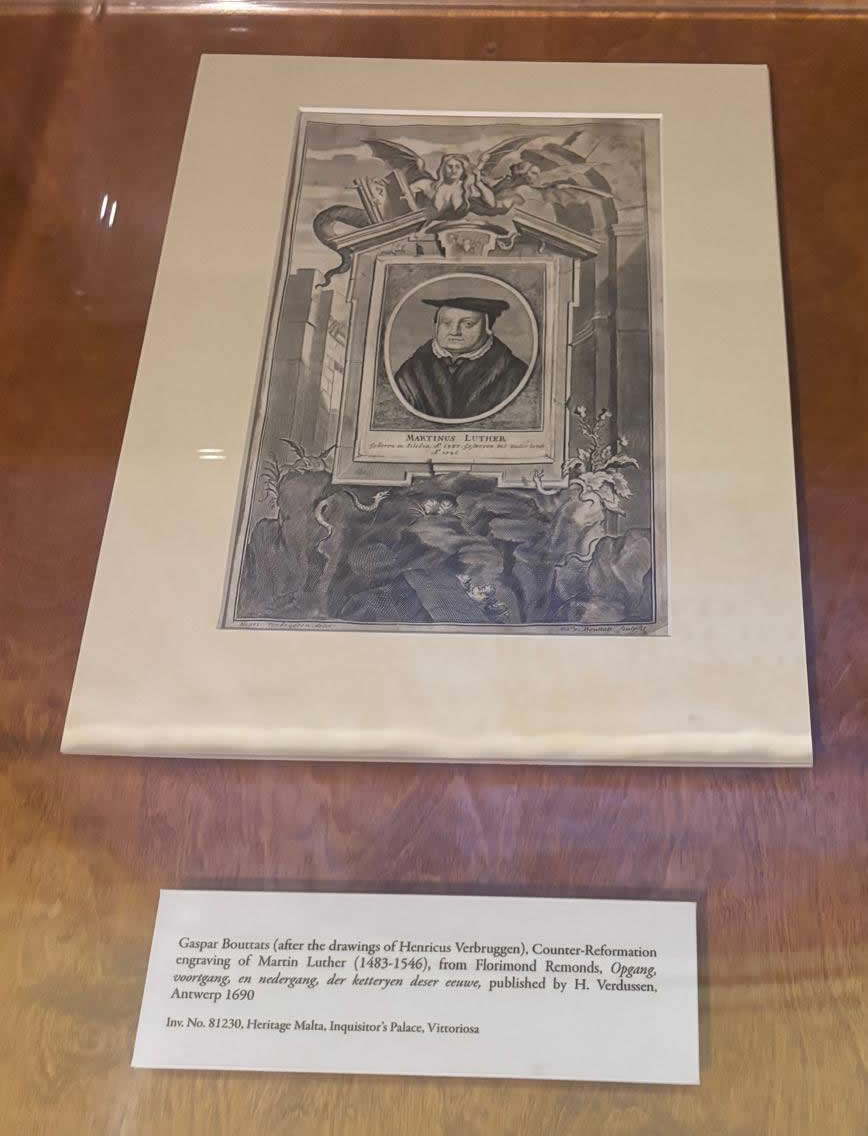
Originally constructed as a judicial building, it later became the headquarters of the Roman Inquisition in Malta and today functions as a museum preserving this complex and often misunderstood chapter of history.
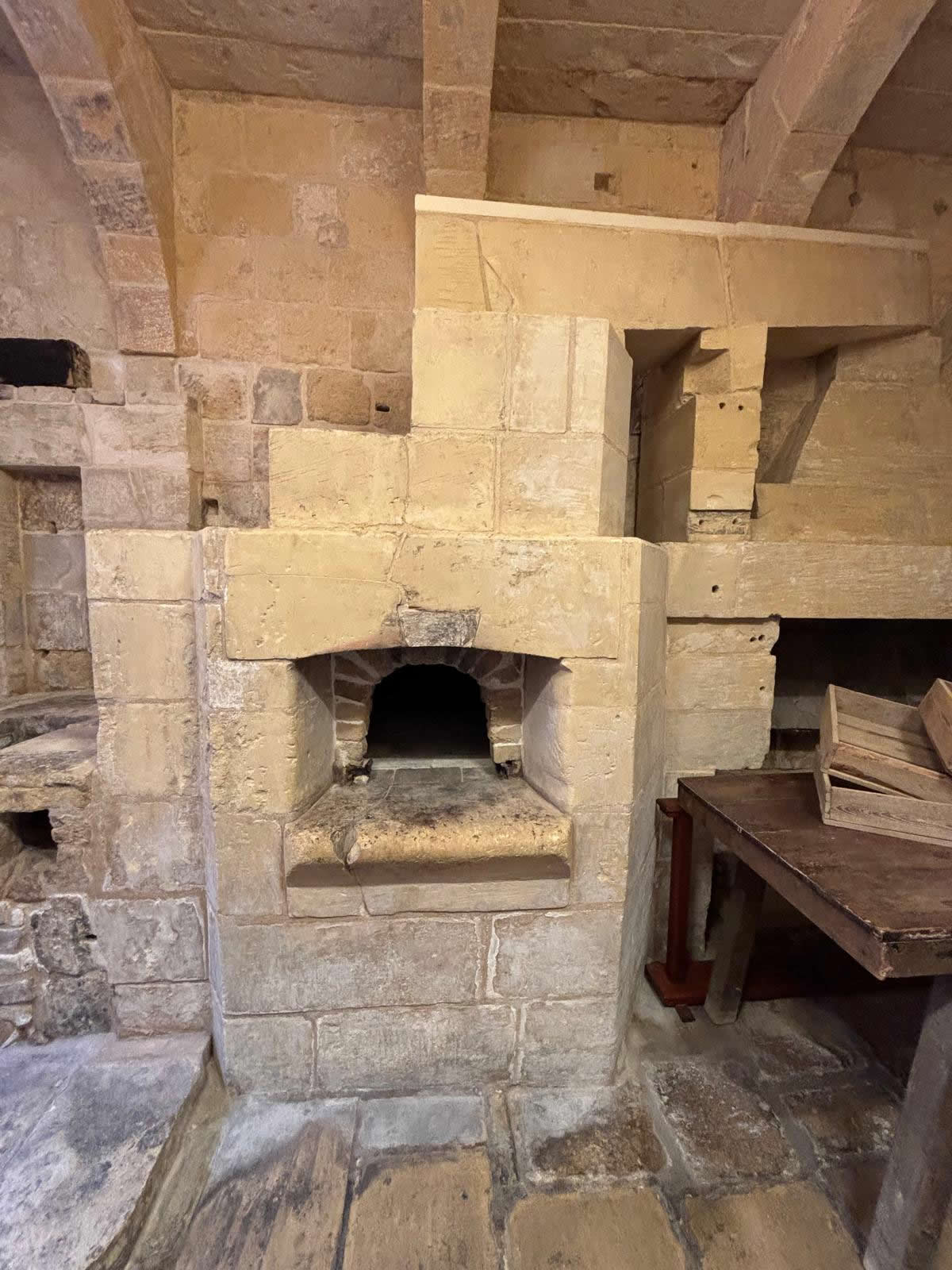
Origins as the Castellania (1530s)
The origins of the palace date to the early 1530s, shortly after the arrival of the Knights of St John in Malta in 1530. The building was initially constructed as the Castellania, serving as the civil law courts of the Order.
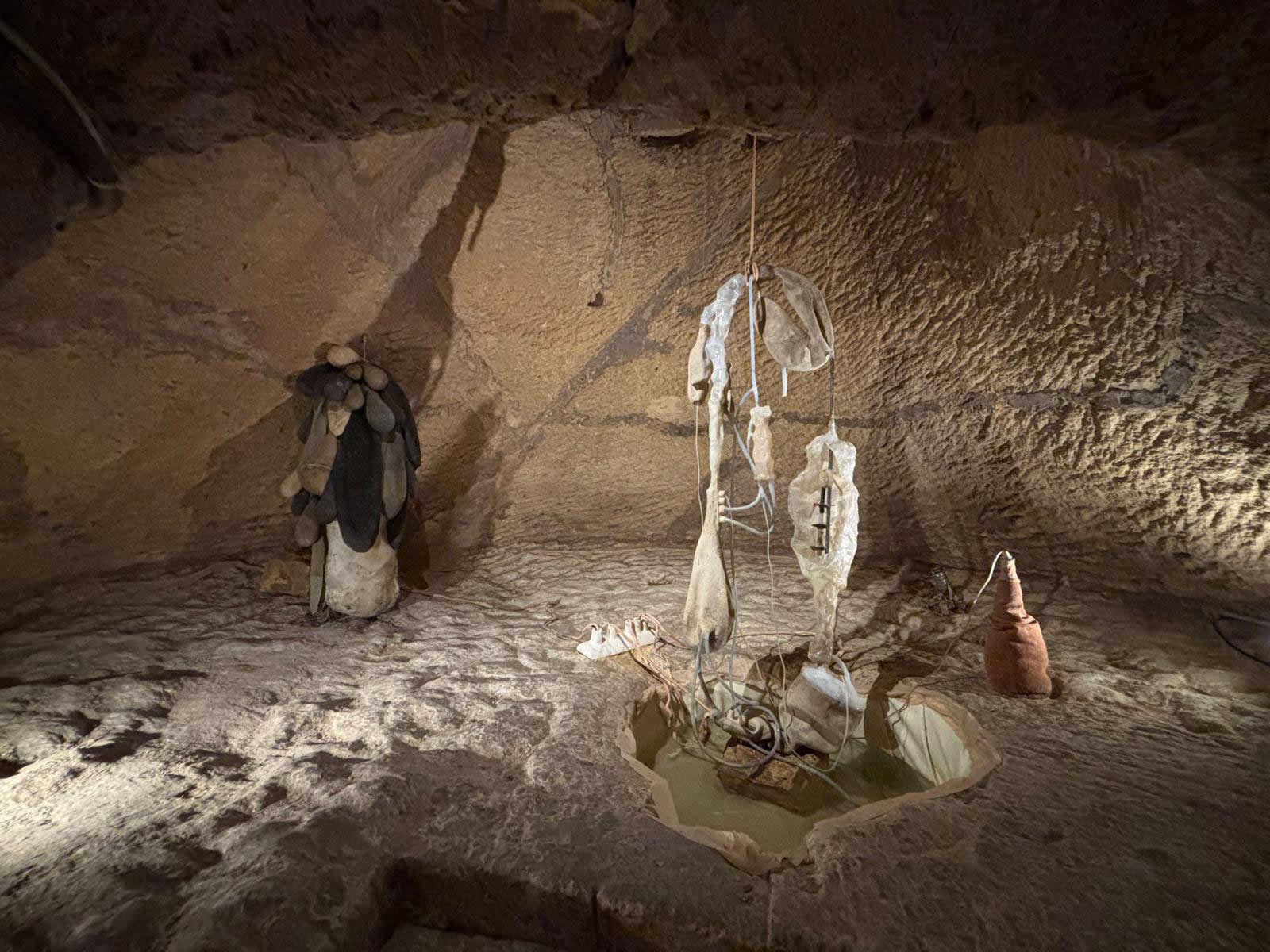
At this time, Birgu was the administrative centre of Malta, and the Castellania formed part of the essential institutional framework of governance, where legal matters and disputes were heard.

Transformation into the Inquisitor’s Palace (1574)
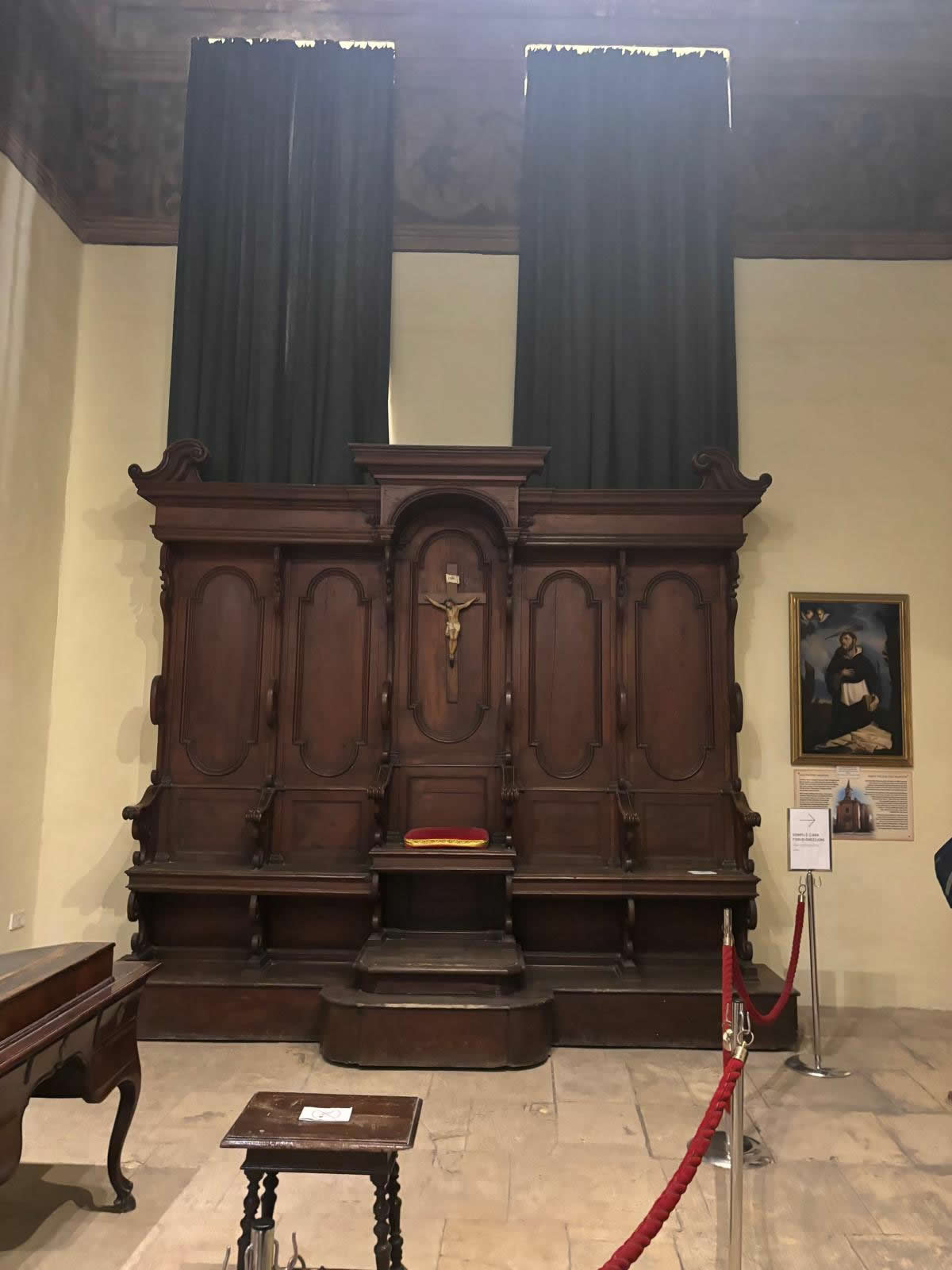
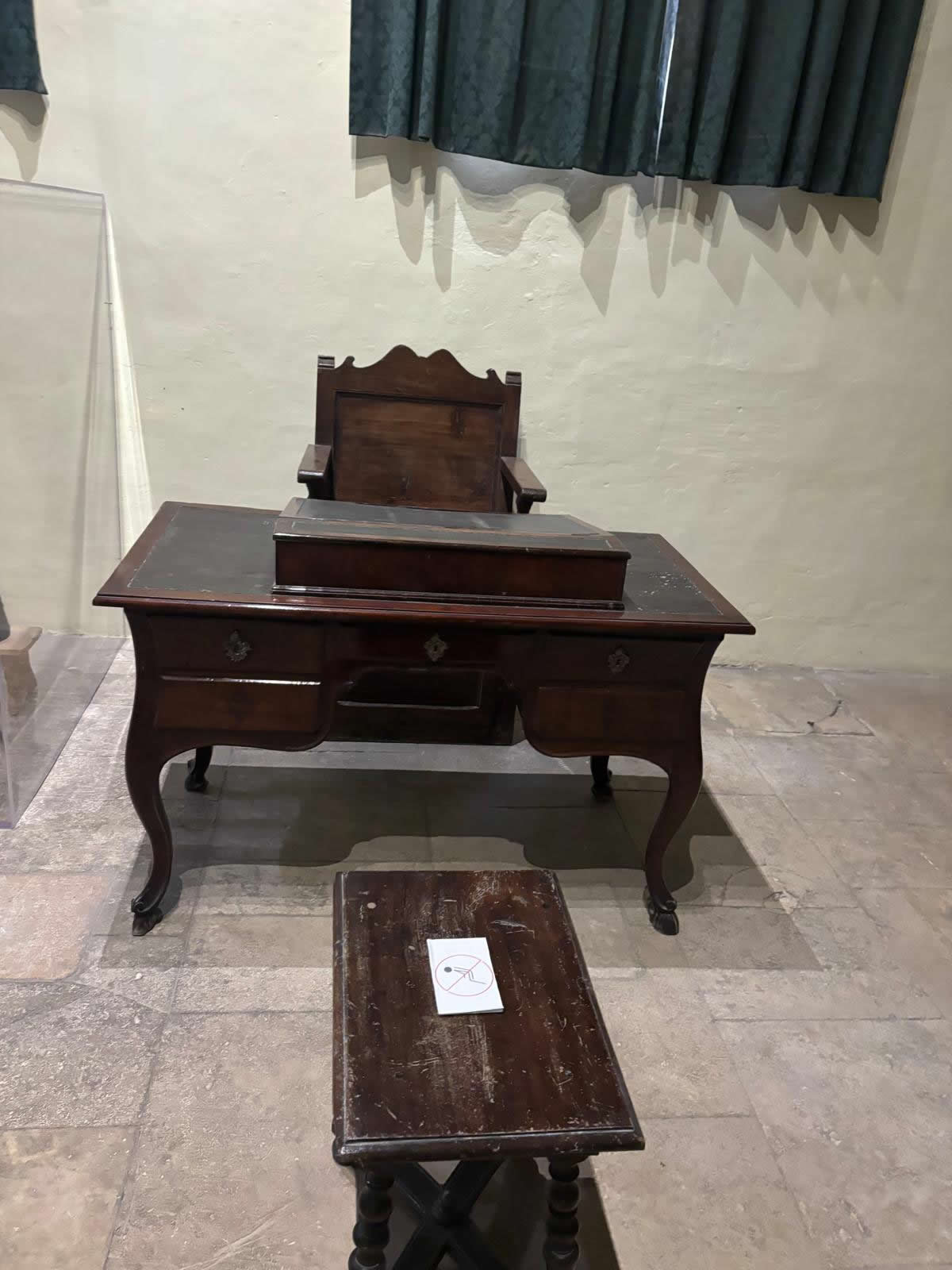
A major turning point occurred in 1574 with the arrival of Pietro Dusina, the first Inquisitor and Apostolic Delegate in Malta. The building was assigned to him as his official residence and tribunal, marking the beginning of its role as the Palazzo del Sant’Ufficio.
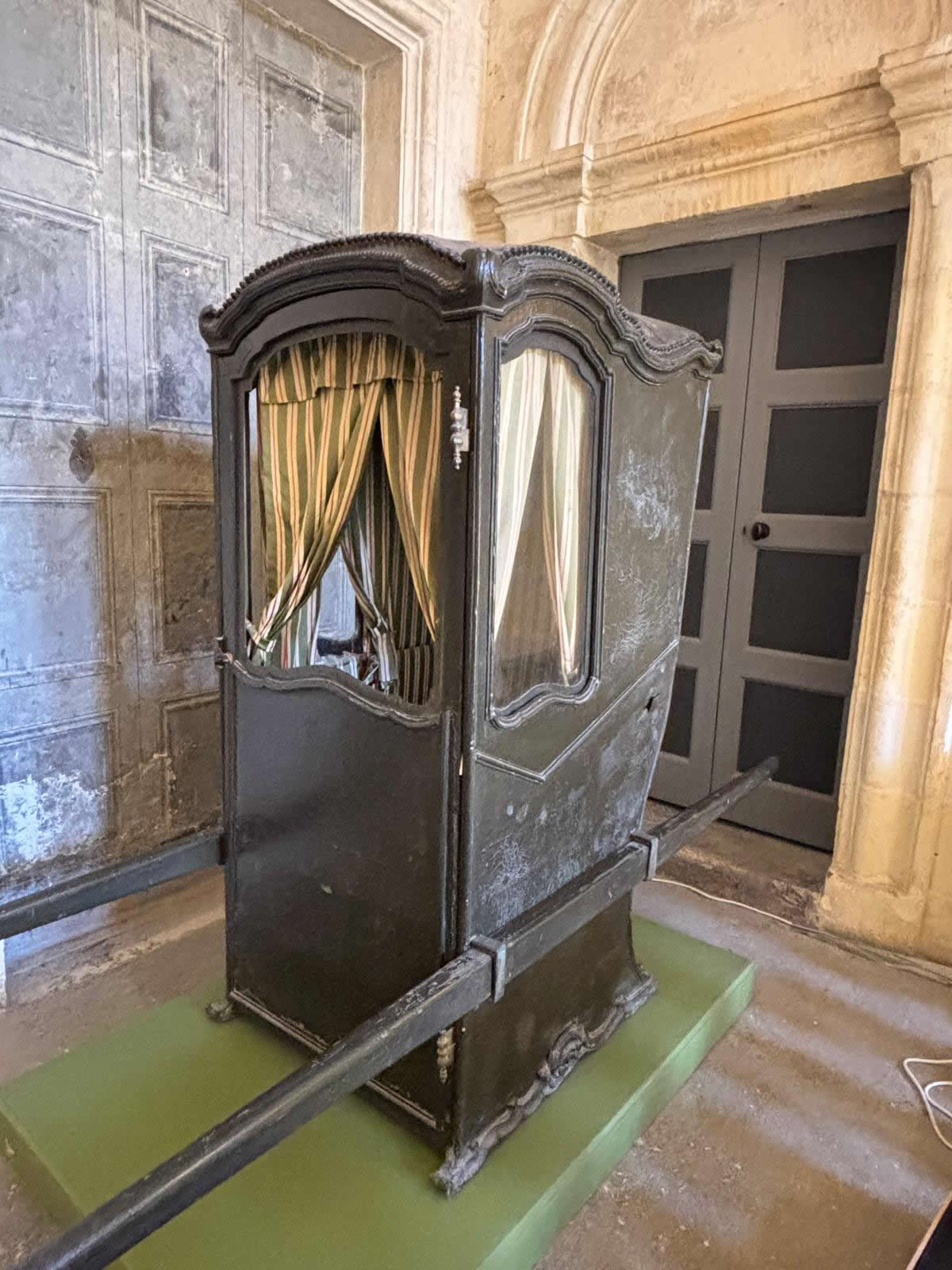
From this point onward, the palace functioned as:
- The residence of the Inquisitor
- The seat of the Inquisition tribunal
- An administrative centre
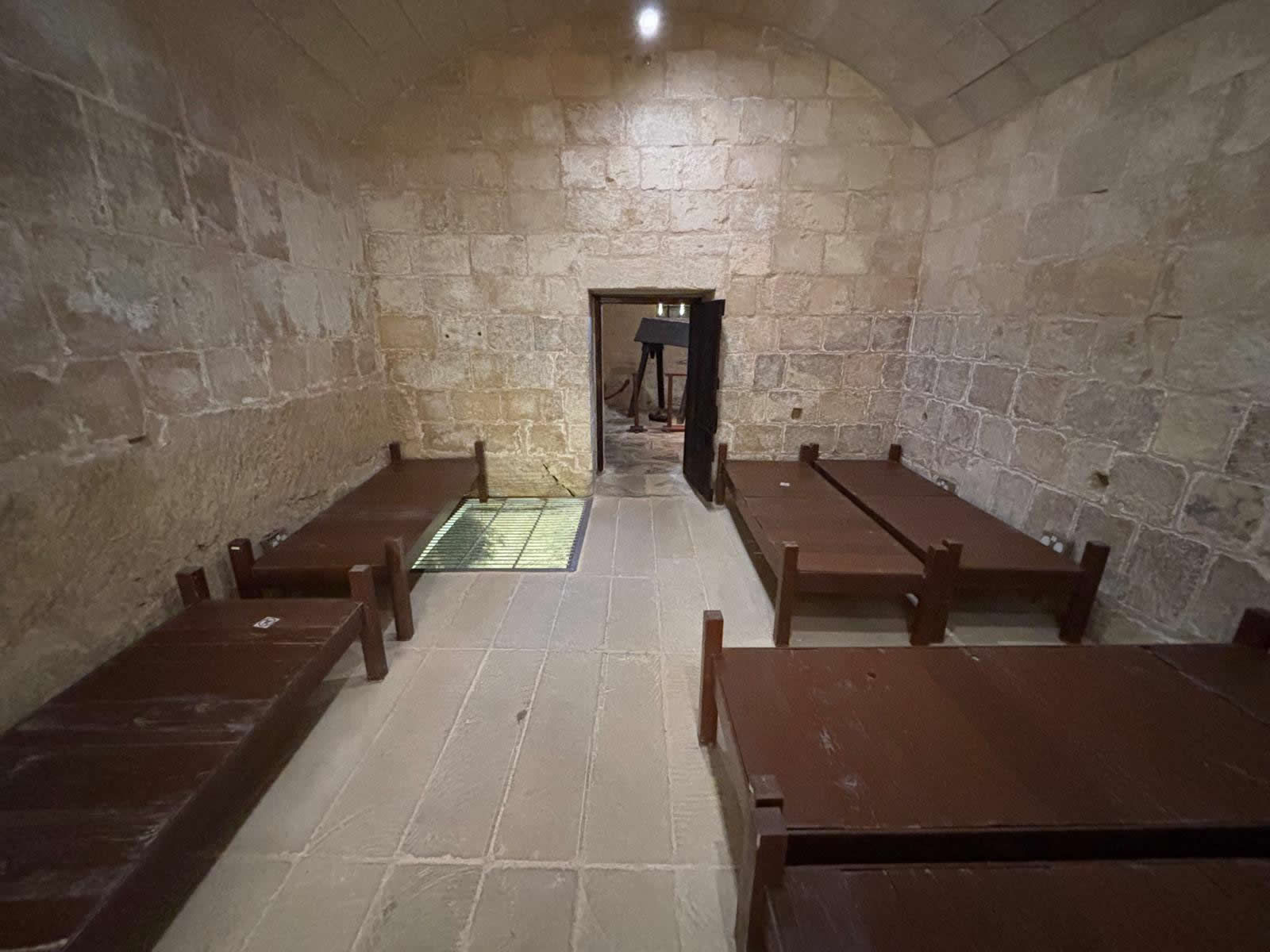
- A prison complex
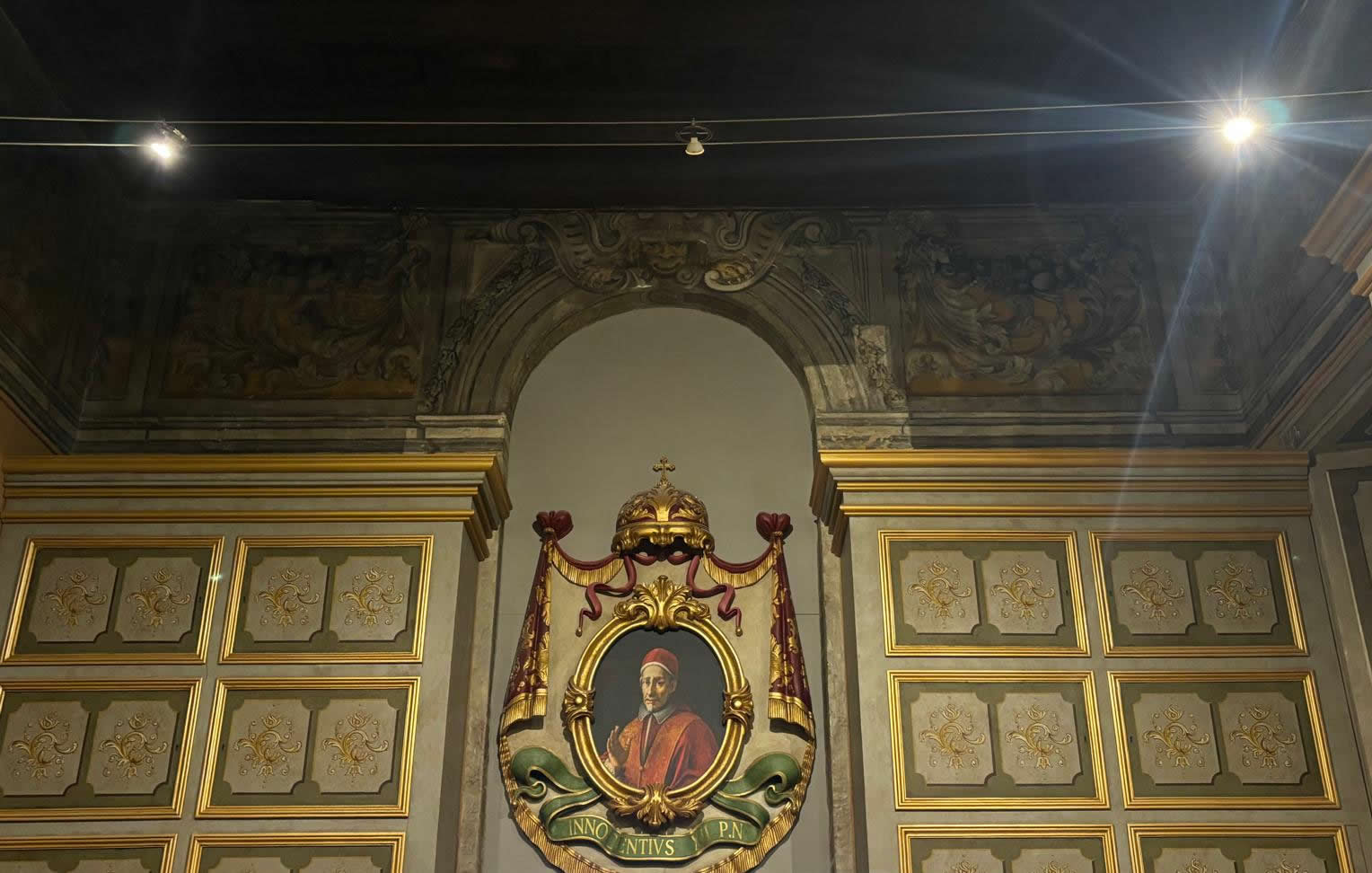
This transformation marked the start of over two centuries of inquisitorial activity on the island.
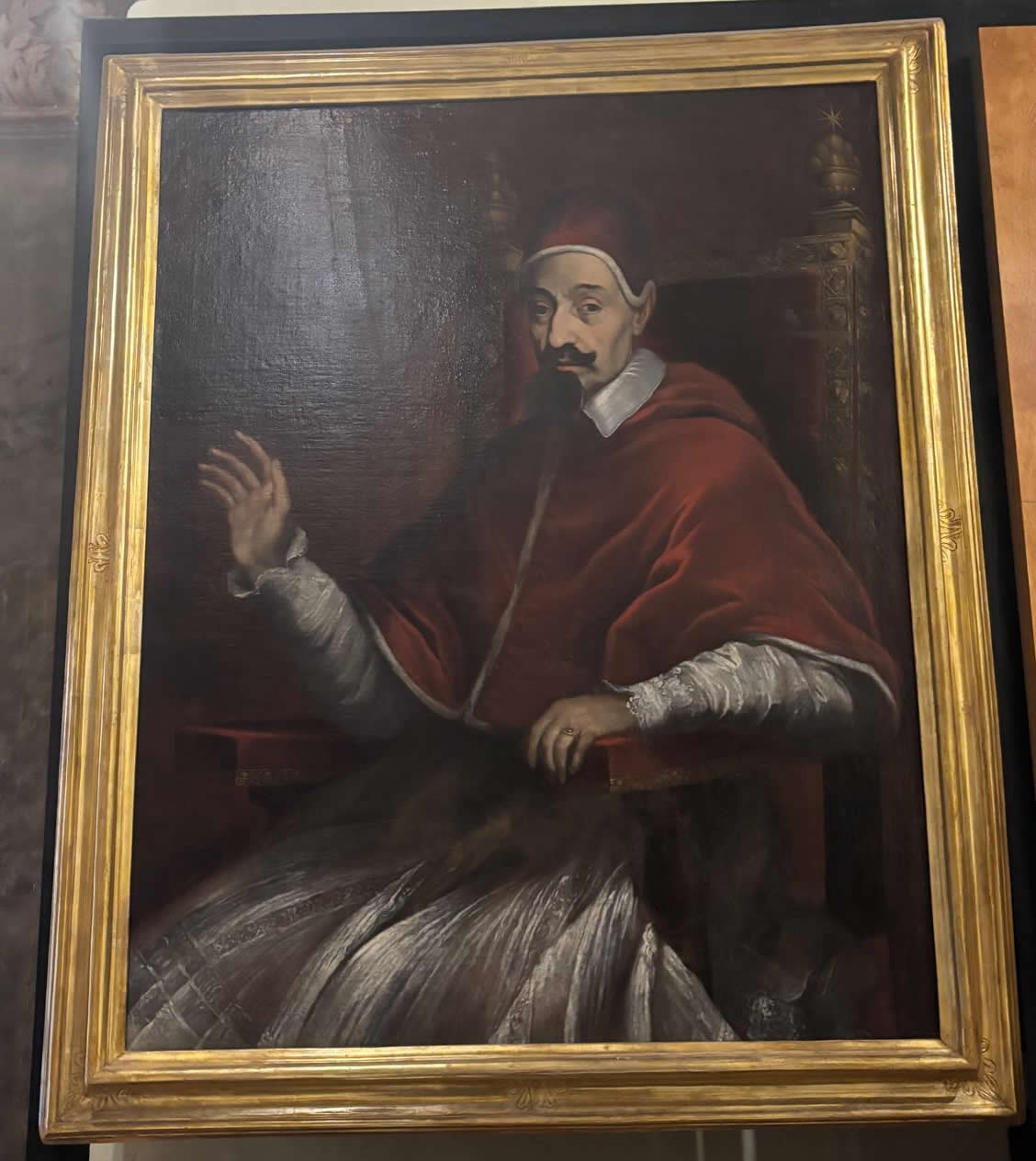
The Inquisition in Malta (16th–18th Centuries)
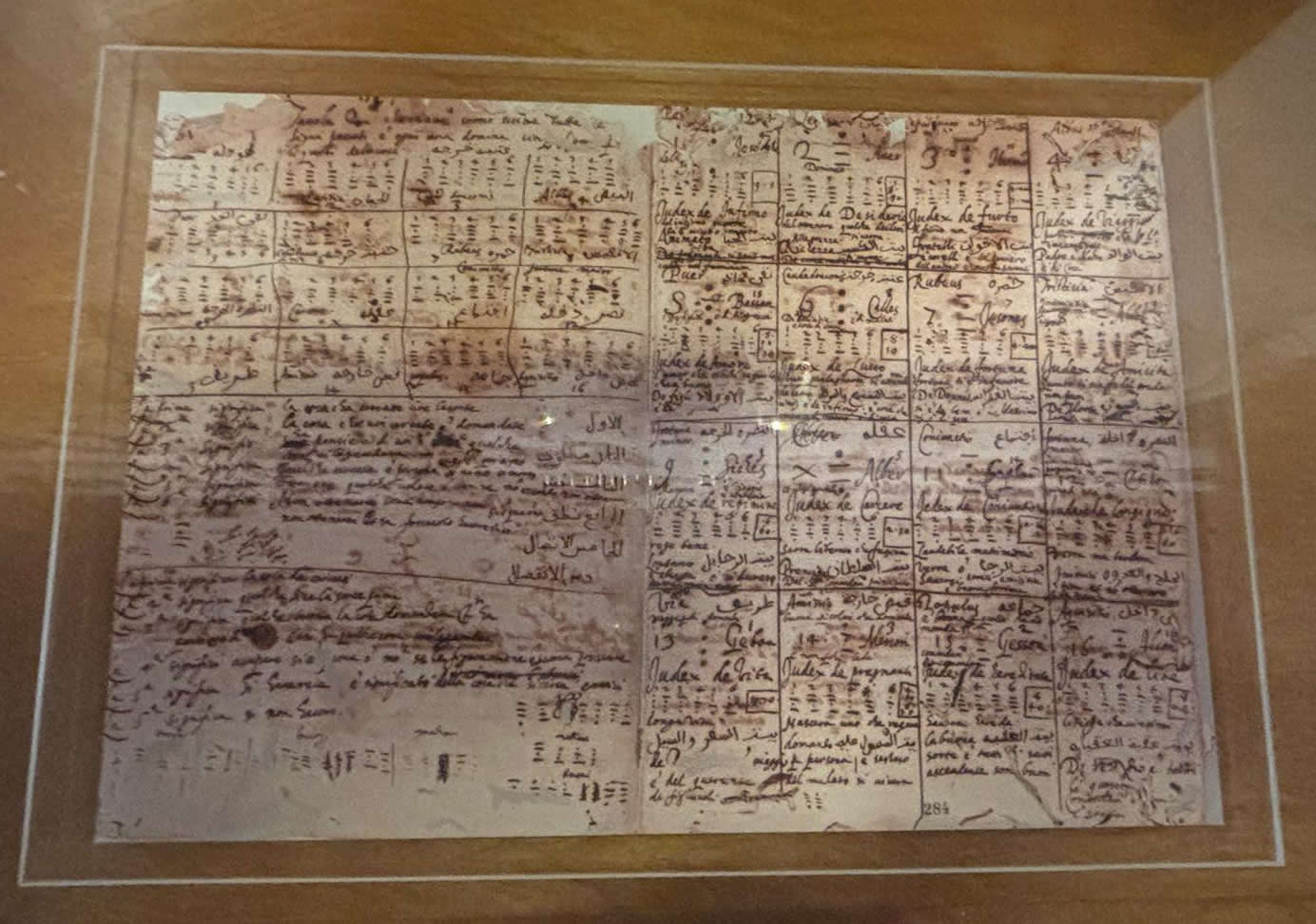
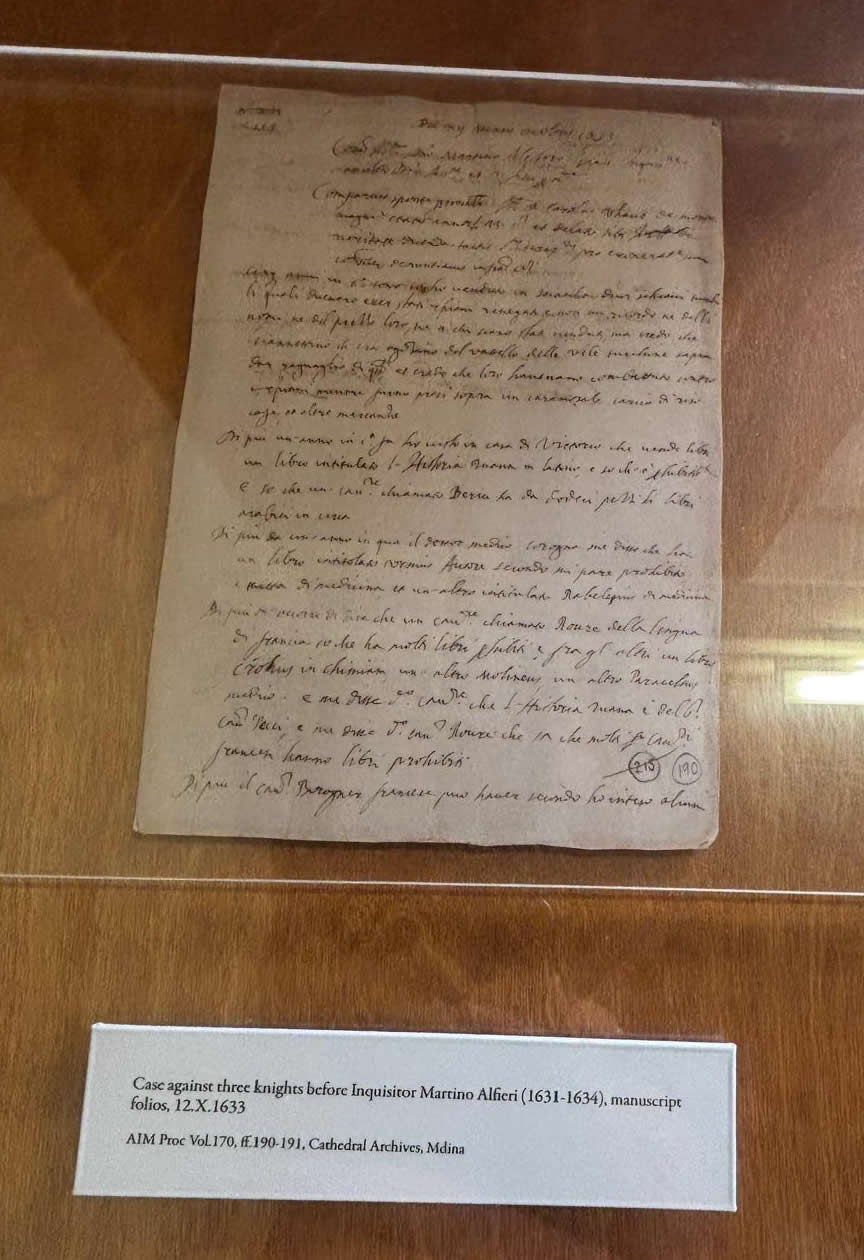
The Roman Inquisition in Malta played a significant role in regulating religious life and maintaining doctrinal orthodoxy. Cases brought before the tribunal often related to:
- Heresy and religious deviation
- Superstition and folk practices
- Moral conduct
While the Maltese Inquisition was generally less severe than its counterparts elsewhere in Europe, it exercised considerable influence over society. The palace became a symbol of authority, justice, and religious oversight.
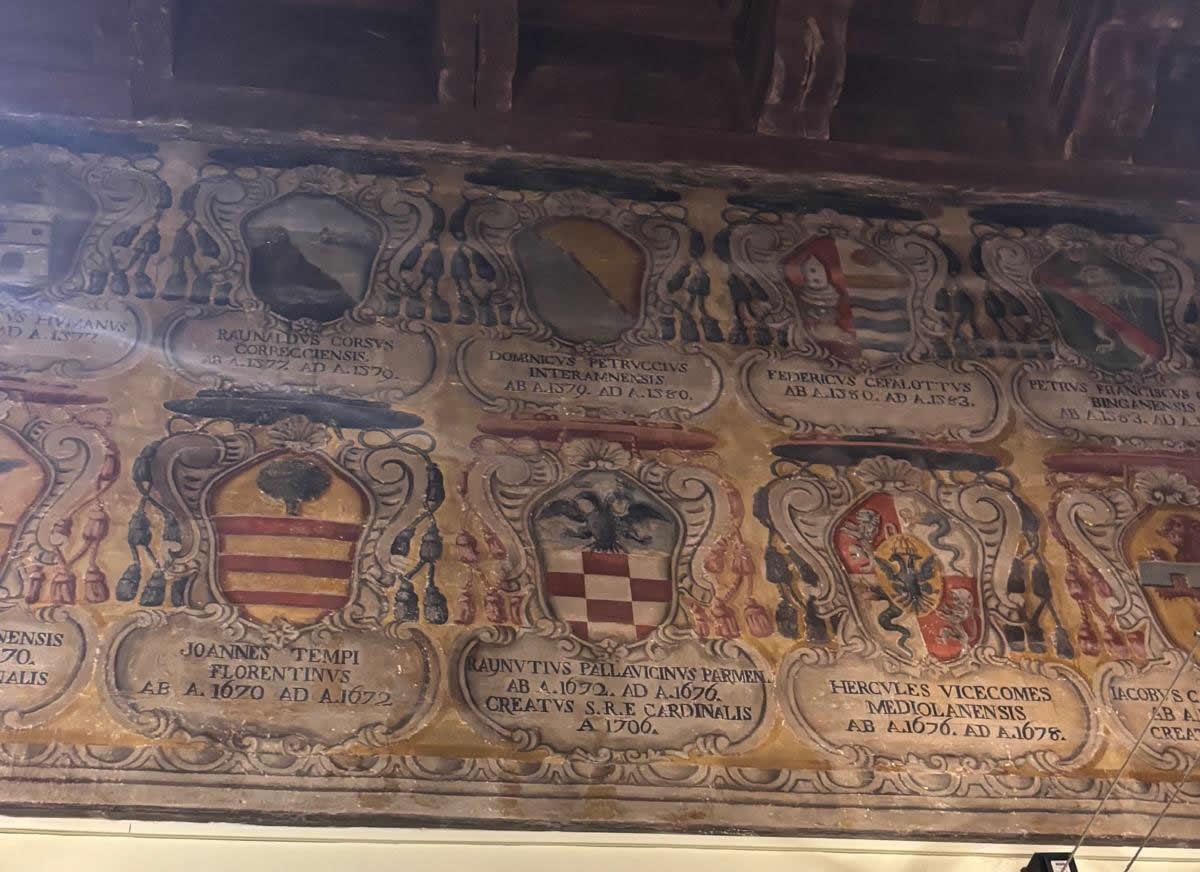
The 62 Inquisitors of Malta (1561–1798)
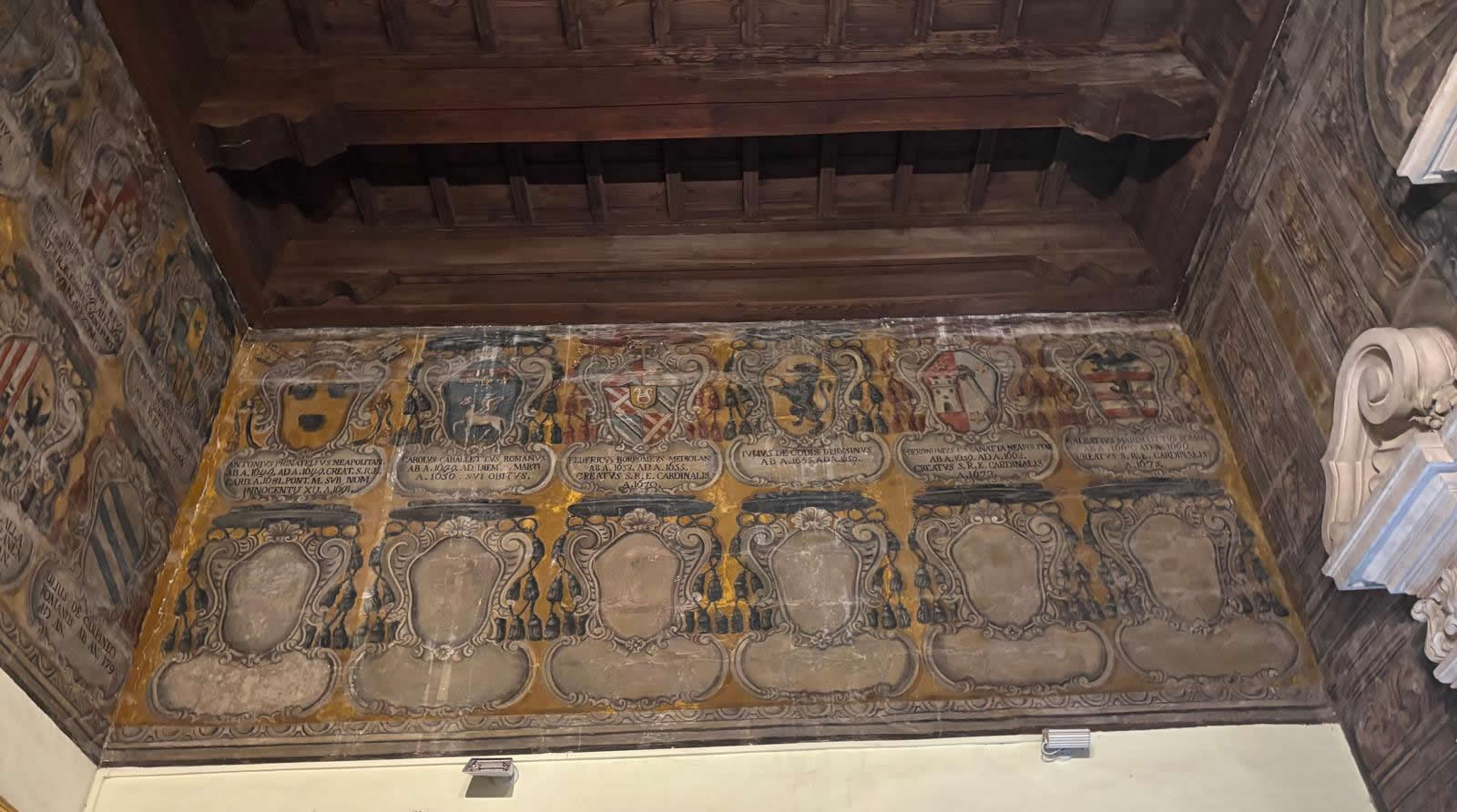
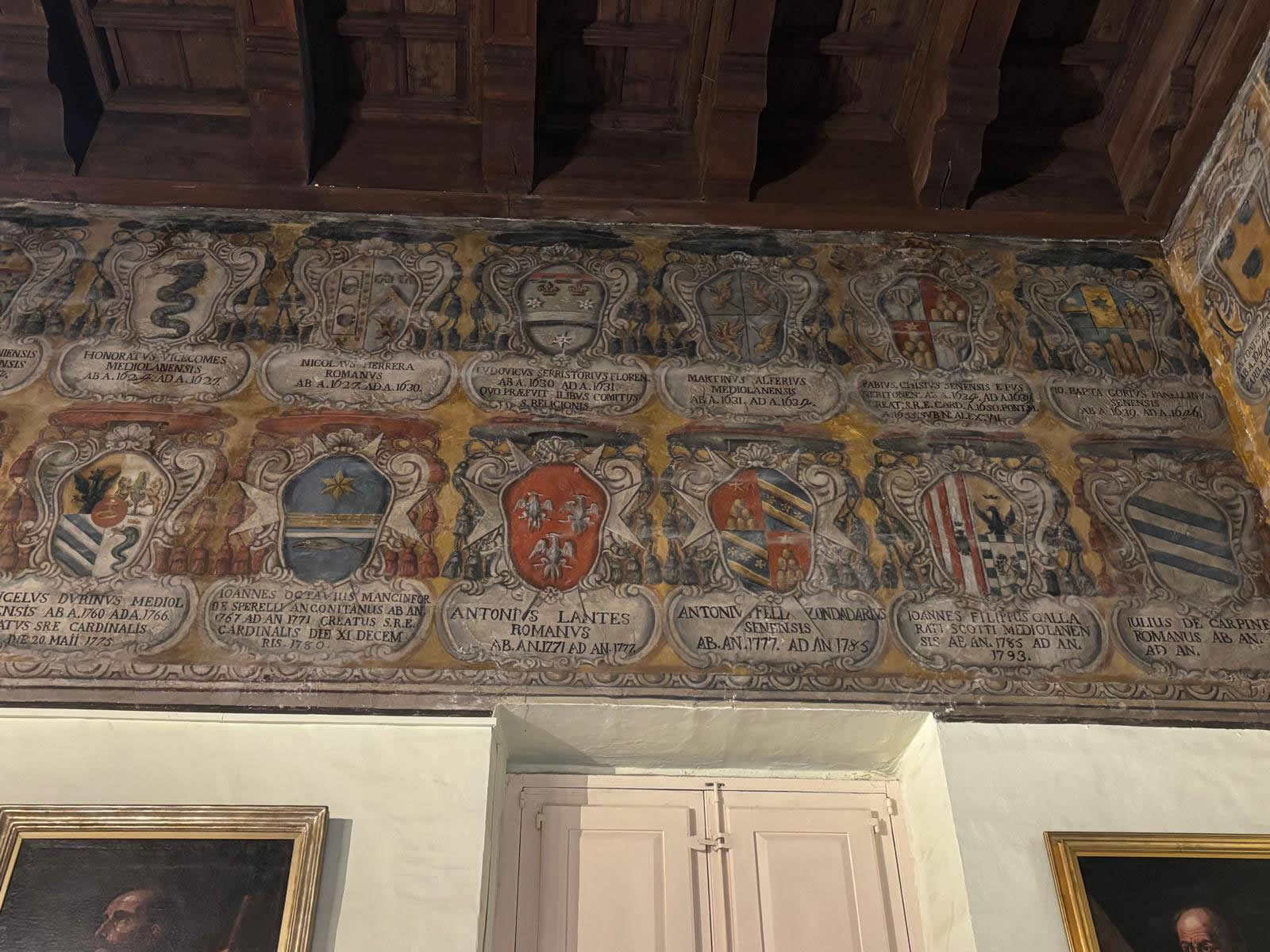
A total of 62 Inquisitors served in Malta between 1561 and 1798, acting as Apostolic Delegates of the Pope and heads of the Roman Inquisition tribunal on the island.
This list includes confirmed inquisitors, transitional vacancies, and disputed or nominal appointments. Where applicable, administrative gaps are explicitly indicated.
| # | Name / Status | Start | End | Notes |
|---|---|---|---|---|
| 1 | Domenico Cubelles | 1561 | 1566 | First Inquisitor of Malta |
| 2 | Martino Royas | 1573 | 1574 | |
| 3 | Pietro Dusina | 1574 | 1575 | |
| 4 | Pier Santo Humano | 1575 | 1577 | |
| 5 | Rinaldo Corso | 1577 | 1579 | |
| 6 | Domenico Petrucci | 1579 | 1580 | |
| 7 | Federico Cefalotto | 1580 | 1583 | |
| 8 | Pier Francesco Costa | 1583 | 1585 | |
| 9 | Ascanio Libertano | 1585 | 1587 | |
| 10 | Giovan Battista Petralata | 1587 | 1587 | |
| 11 | Paolo Bellardito | 1587 | 1591 | |
| 12 | Angelo Gemmario | 1591 | 1591 | |
| 13 | Giovanni Ludovico Dell’Armi | 1592 | 1595 | |
| 14 | Innocenzo Del Bufalo | 1595 | 1598 | |
| 15 | Antonio Ortensio | 1598 | 1600 | |
| 16 | Fabrizio Verallo | 1600 | 1605 | |
| 17 | Ettore Diotallevi | 1605 | 1607 | |
| 18 | Leonetto Della Corbara | 1607 | 1609 | |
| 19 | Evangelista Carbonese | 1609 | 1614 | |
| 20 | Fabio Delagonessa | 1614 | 1619 | |
| 21 | Antonio Tornielli | 1619 | 1621 | |
| 22 | Paolo Torelli | 1621 | 1623 | |
| 23 | Carlo Bovi | 1623 | 1623 | |
| 24 | Onorato Visconti | 1624 | 1627 | |
| 25 | Niccolò Herrera | 1627 | 1630 | |
| 26 | Ludovico Serristori | 1630 | 1630 | |
| 27 | Martino Alfieri | 1631 | 1634 | |
| 28 | Fabio Chigi | 1634 | 1639 | |
| 29 | Giovanni Battista Gori Pannellini | 1639 | 1646 | |
| 30 | Antonio Pignatelli | 1646 | 1649 | |
| 31 | Carlo Cavalletti | 1649 | 1652 | |
| 32 | Federico Borromeo | 1653 | 1655 | |
| 33 | Giulio Degli Oddi | 1655 | 1658 | |
| 34 | Gerolamo Casanate | 1658 | 1663 | |
| 35 | Galeazzo Marescotti | 1663 | 1667 | |
| 36 | Angelo Maria Ranuzzi | 1668 | 1668 | |
| 37 | Carlo Bichi | 1668 | 1670 | |
| 38 | Giovanni Tempi | 1670 | 1672 | |
| 39 | Raniero Pallavicini | 1672 | 1677 | |
| 40 | Ercole Visconti | 1677 | 1678 | |
| 41 | Giacomo Cantelmi | 1678 | 1683/86 | Term date disputed |
| 42 | Innico Caracciolo | 1683/86 | 1691 | Start date disputed |
| 43 | Francesco Acquaviva d’Aragona | 1691 | 1694 | |
| 44 | Tommaso Ruffo | 1694 | 1698 | |
| 45 | Giacomo Filiberto Ferrero | 1698 | 1703 | |
| 46 | Giorgio Spinola | 1703 | 1706 | |
| 47 | Giacomo Caracciolo | 1706 | 1710 | |
| 48 | Raniero d’Elci | 1711 | 1715 | |
| 49 | Lazzaro Pallavicini | 1718 | 1720 | |
| 50 | Antonio Ruffo | 1720 | 1728 | |
| 51 | Fabrizio Serbelloni | 1728 | 1730 | |
| 52 | Giovanni F. Stoppani | 1731 | 1735 | |
| 53 | Carlo F. Durini | 1735 | 1739 | |
| 54 | Ludovico Gualterio | 1739 | 1743 | |
| 55 | Paolo Passionei | 1743 | 1754 | |
| 56 | Gregorio Salviati | 1754 | 1759 | |
| 57 | Angelo Durini | 1760 | 1766 | |
| 58 | Giovanni O. Mancinforte Sperelli | 1766 | 1771 | |
| 59 | Antonio Lante | 1771 | 1777 | |
| 60 | Antonio Felice Zondadari | 1777 | 1785 | |
| — | Vacancy / Failed appointment (Falconieri) | 1785 | 1793 | Never effectively took office |
| 61 | Giovanni Filippo Gallarati Scotti | 1785 | 1793 | Nominal/administrative appointment period |
| 62 | Giulio Carpegna | 1793 | 1798 | End of office at French occupation |
Architectural Expansion and Development
Between the late 16th and 18th centuries, the palace underwent continuous expansion and modification. Successive inquisitors enlarged the structure, transforming it from a functional court building into a more elaborate residence.
Key developments included:
- Acquisition of adjacent properties
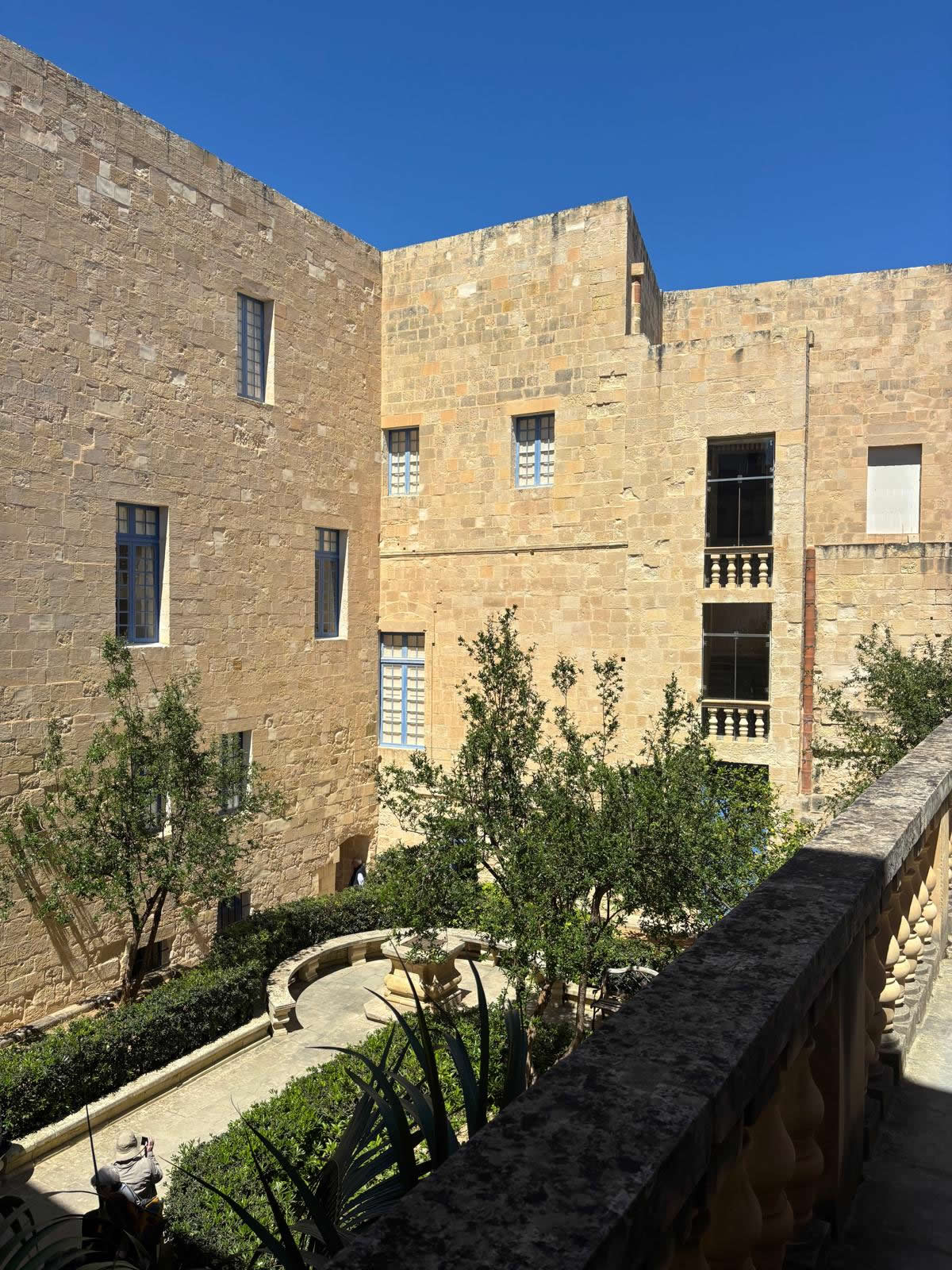
- Construction of internal courtyards
- Addition of prison cells and interrogation rooms
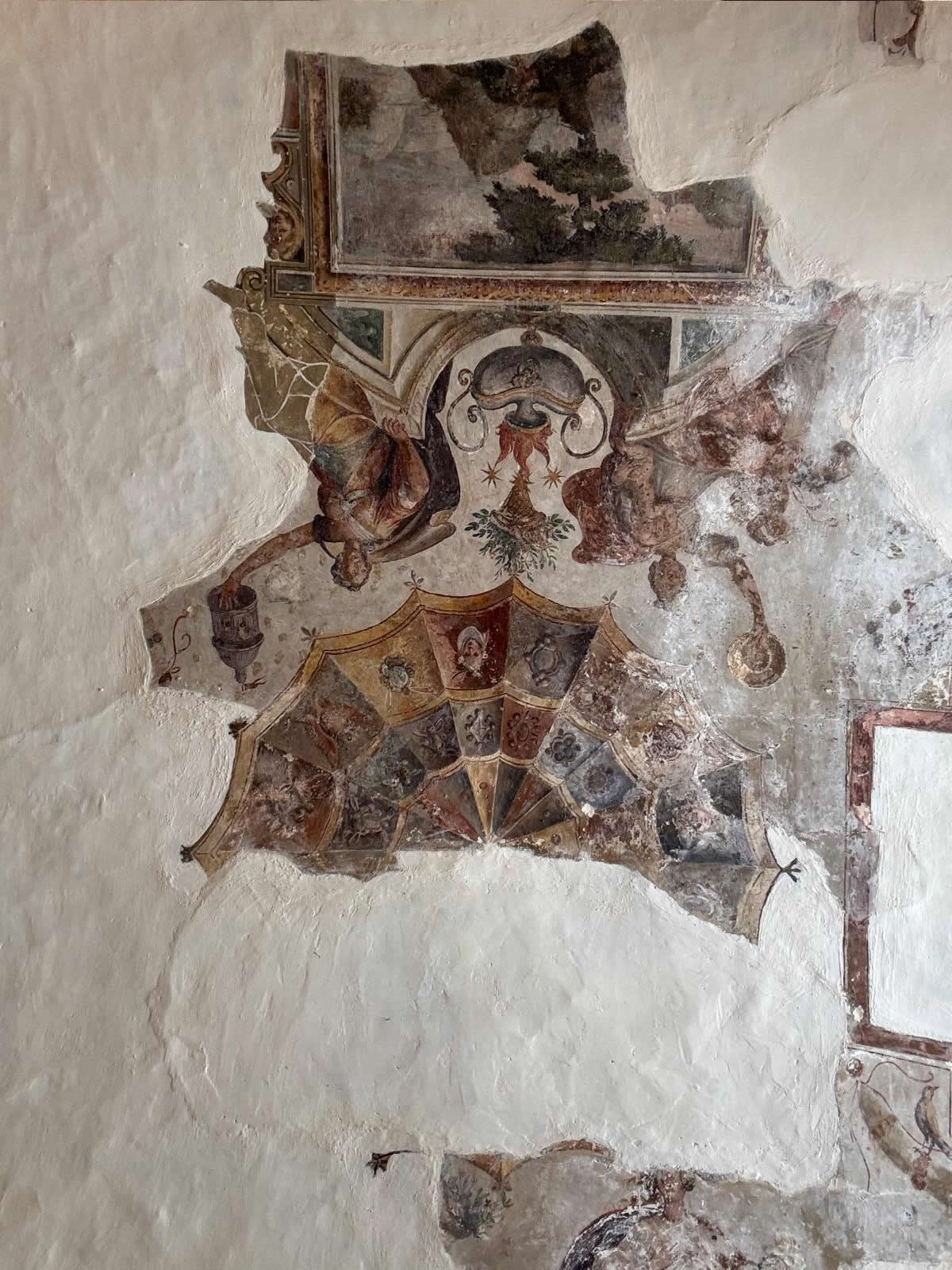
- Baroque architectural embellishments
By the 18th century, the palace had acquired the appearance of a refined Roman-style palazzo.
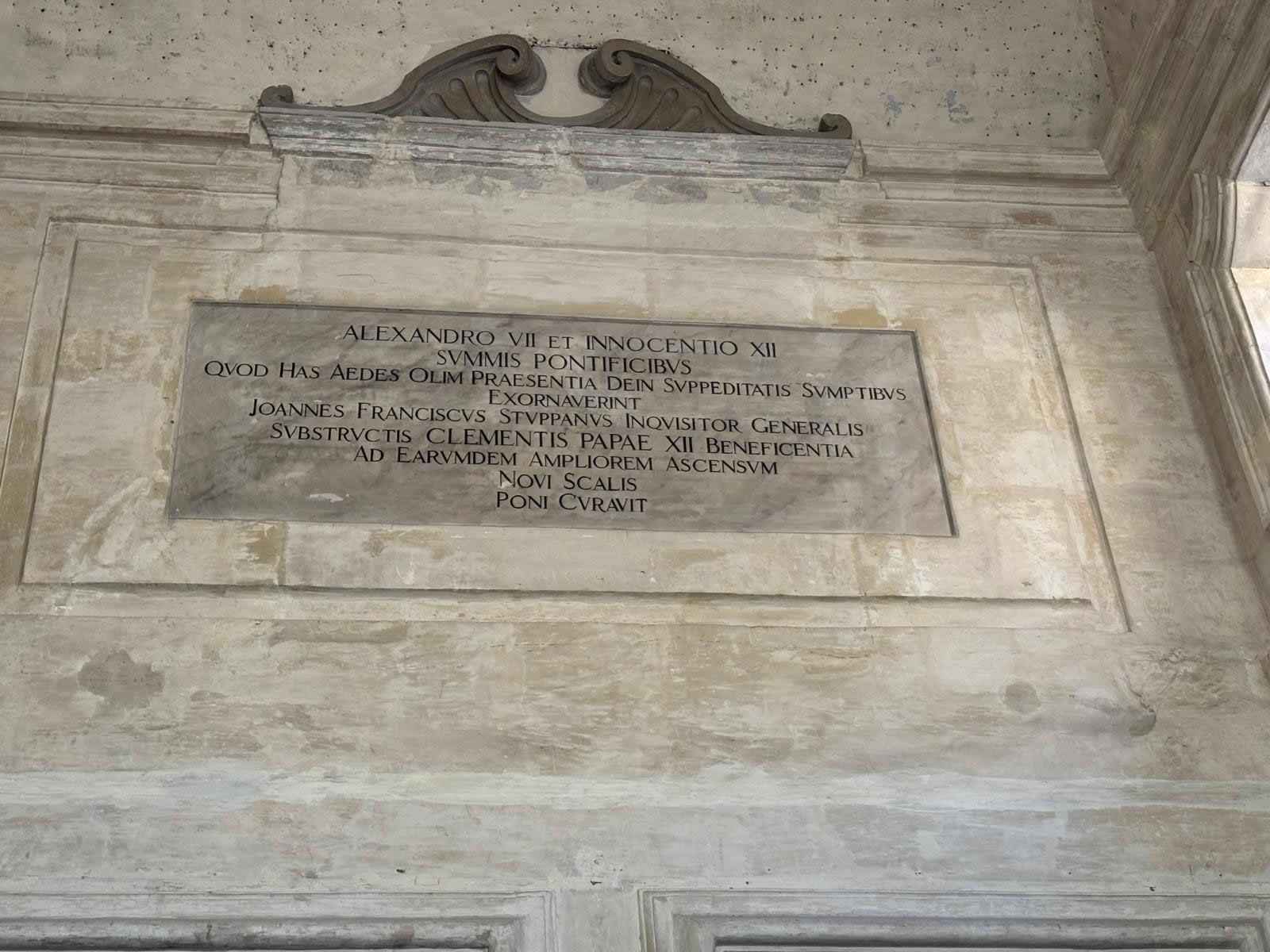
Commemorative Inscription and Architectural Additions
A Latin inscription within the palace records an important phase of architectural development during the 18th century. It refers to improvements carried out under successive popes and the Inquisitor Giovanni Francesco Stoppani, including the construction of new staircases to enhance access within the building.
Latin Inscription
ALEXANDRO VII ET INNOCENTIO XII
SVMMIS PONTIFICIBVS
QVOD HAS AEDES OLIM PRAESENTIA DEIN SVPPEDITATIS SVMTIBVS
EXORNAVERINT
IOANNES FRANCISCVS STVPPANVS INQVISITOR GENERALIS
SVBSTRVCTIS CLEMENTIS PAPAE XII BENEFICENTIA
AD EARVMDEM AMPLIOREM ASCENSVM
NOVI SCALIS
PONI CVRAVIT
English Translation
Under Popes Alexander VII and Innocent XII, Supreme Pontiffs, since these buildings had formerly been adorned first by their presence and then by funds provided, Giovanni Francesco Stoppani, Inquisitor General, with the benefaction of Pope Clement XII added to the structure, caused new stairways to be built to provide more ample access.
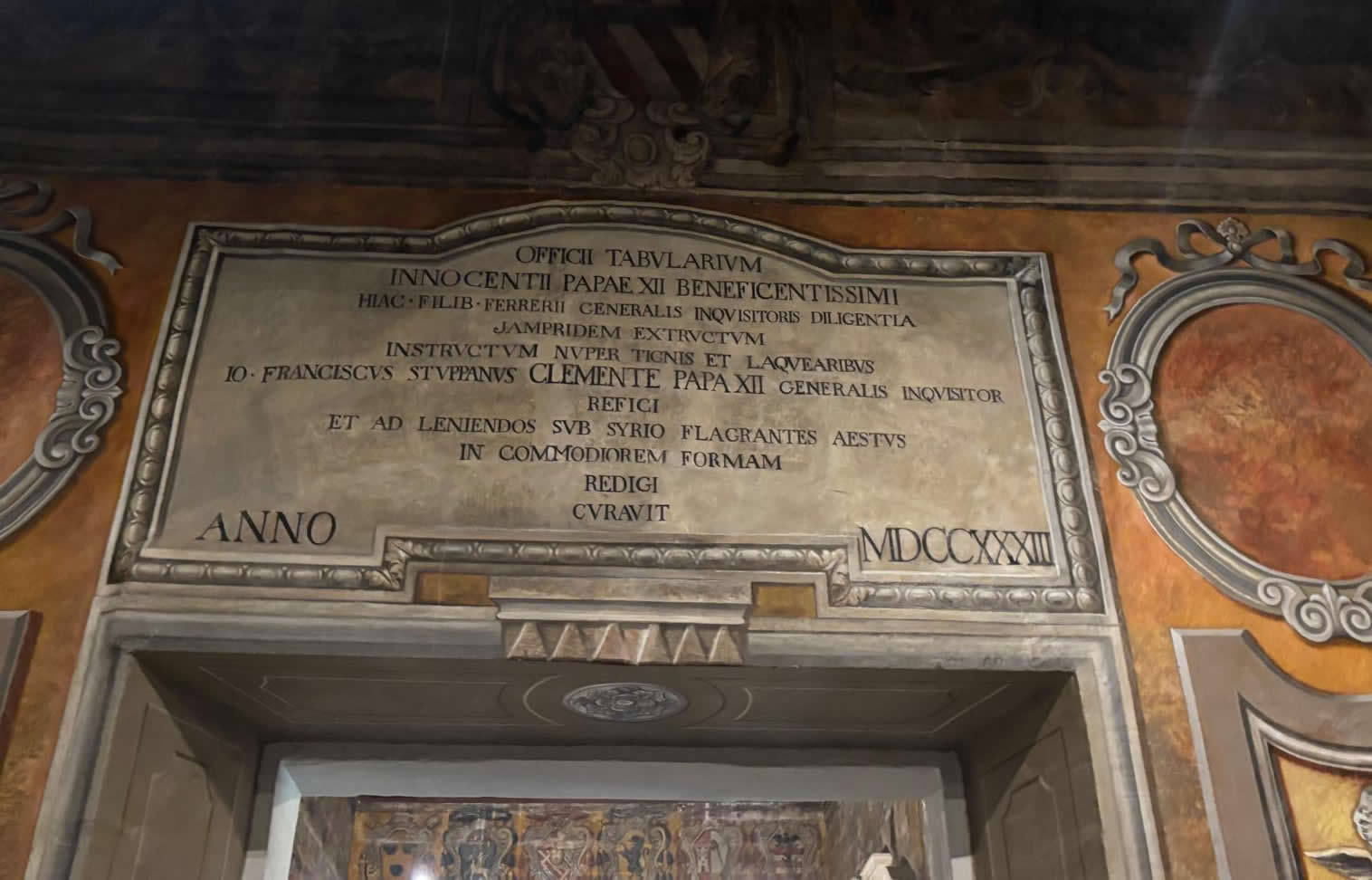
Archival Offices (Tabularium) and Climate Adaptation
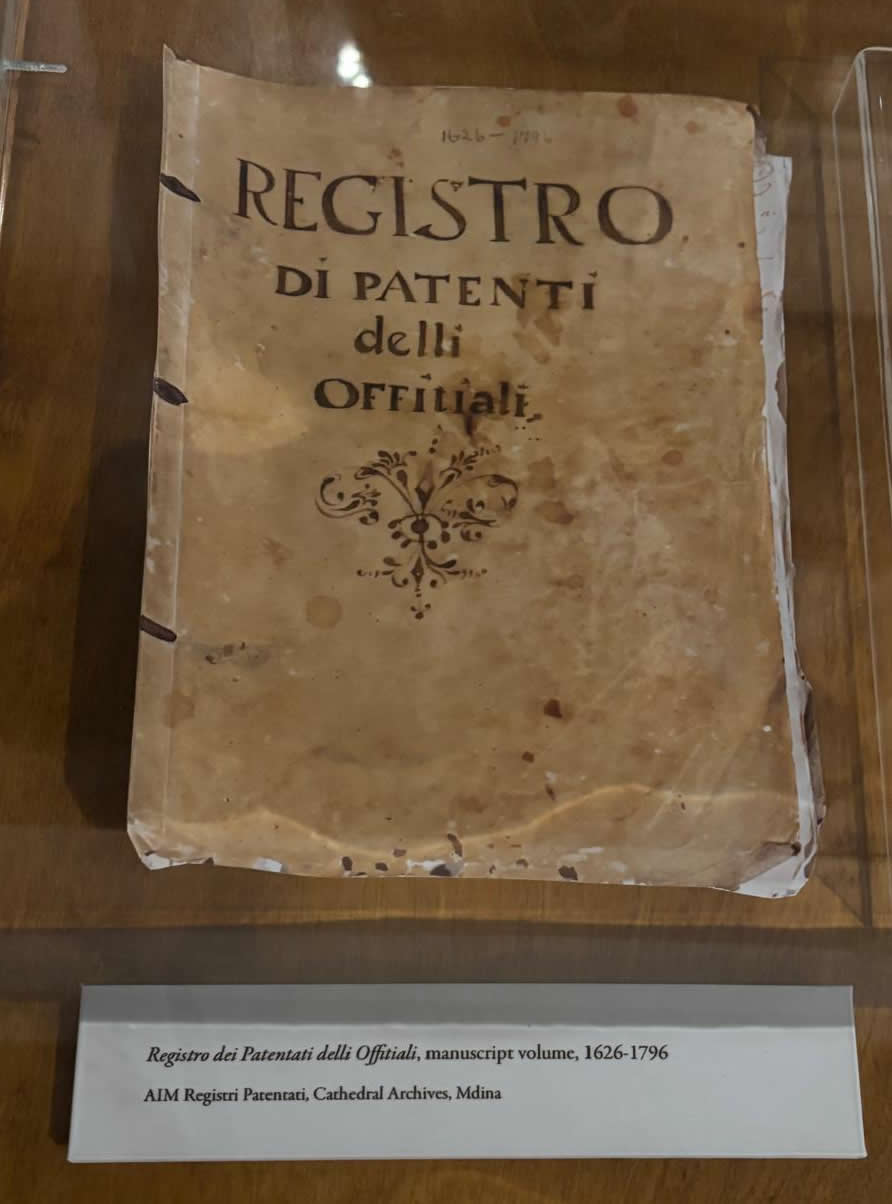
A second inscription within the palace refers specifically to the tabularium (archives office), documenting its construction, later refurbishment, and adaptations made in 1733 to improve internal comfort, particularly in response to Malta’s intense summer heat. This provides rare insight into both the administrative function of the building and early architectural responses to climate.
Latin Inscription – Inquisitor’s Palace (Tabularium)
This inscription records works carried out to the archival office (tabularium) of the Inquisitor’s Palace, including structural improvements and adaptations for comfort.
Original Latin Text
OFFICII TABULARIUM
INNOCENTII PAPAE XII BENEFICENTISSIMI
HAC PHILIP FERRERI GENERALIS INQUISITORIS DILIGENTIA
JAMPRIDEM EXSTRUCTUM
INSTRUCTUM NUPER TIGNIS ET LAQUEARIBUS
IO. FRANCISCUS STUPPANUS CLEMENTE PAPA XII GENERALIS INQUISITOR
REFICI
ET AD LENIENDOS SUB SYRIO FLAGRANTES AESTUS
IN COMMODIOREM FORMAM
REDIGI
CURAVIT
ANNO MDCCXXXIII
English Translation
The archive office (tabularium), built some time ago through the diligence of Philip Ferreri, Inquisitor General, under the most generous Pope Innocent XII, and recently fitted with beams and ceilings, was restored by Giovanni Francesco Stoppani, Inquisitor General under Pope Clement XII. He also caused it to be adapted into a more comfortable form in order to lessen the intense heat under the Syrian sun. This was carried out in the year 1733.
Prisons and Judicial Spaces
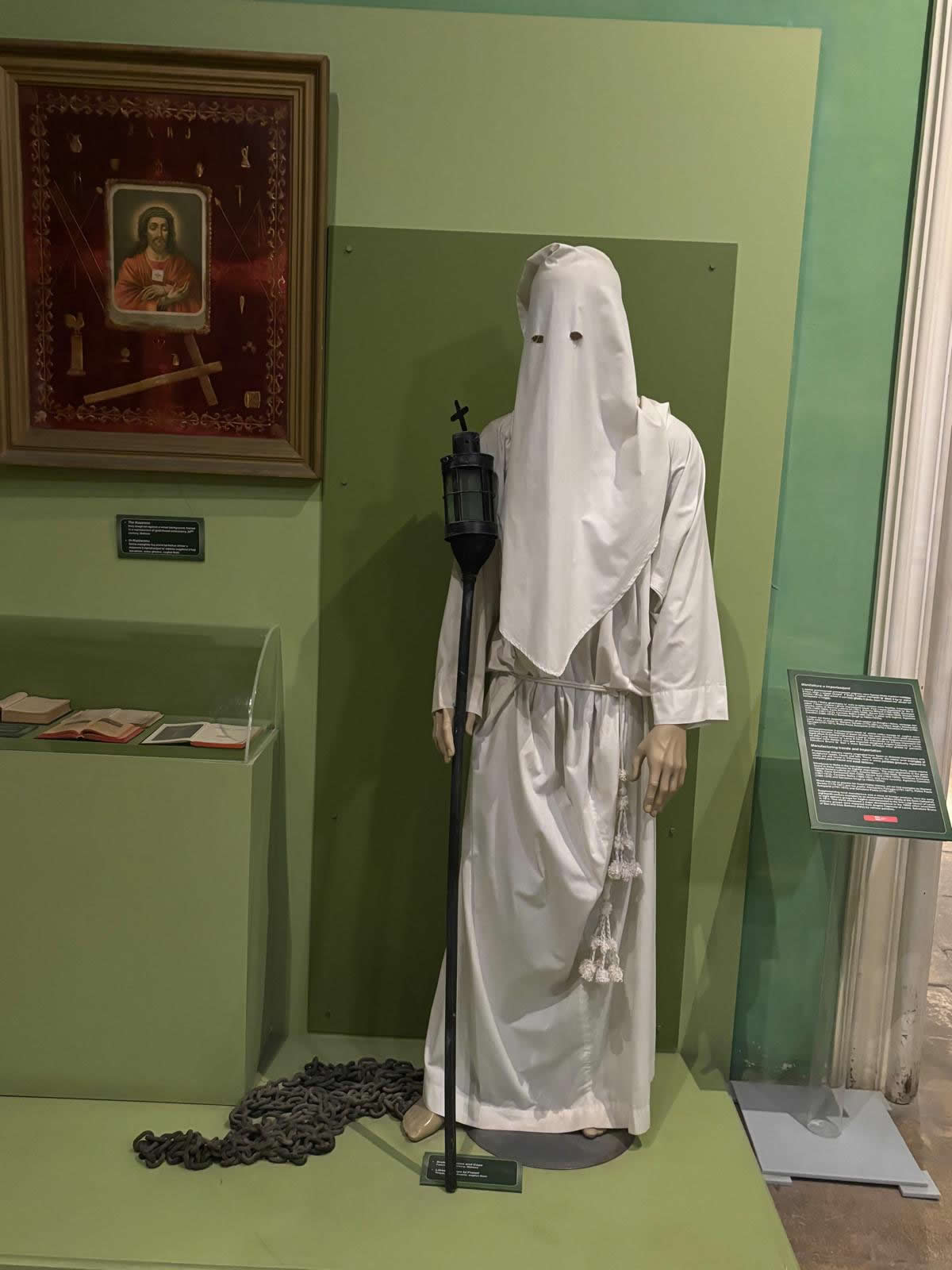
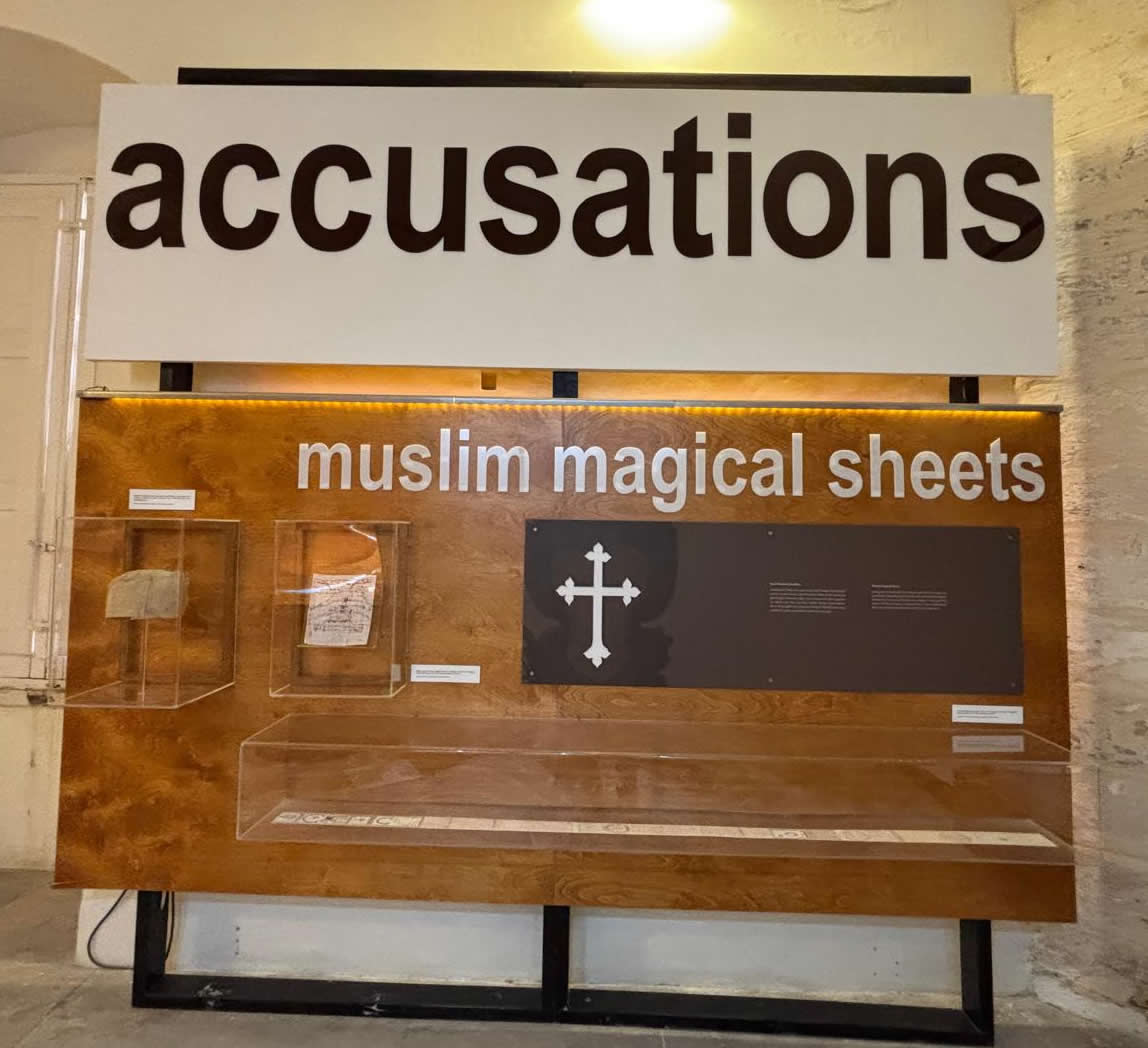
One of the most compelling aspects of the palace is its prison complex, which remains preserved today. The cells provide insight into the conditions experienced by detainees and the nature of judicial procedures during the period.
Graffiti left by prisoners on the walls offer rare and personal glimpses into the lives of those who passed through the Inquisition system.
End of the Inquisition (1798)
The Inquisition in Malta came to an abrupt end in 1798 during the French occupation of the island. Revolutionary reforms led to the abolition of ecclesiastical tribunals and the suppression of the Inquisition.
This marked the conclusion of the palace’s role as a centre of religious authority.
British Period and Changing Uses
Following the departure of the French and the establishment of British rule, the palace was repurposed for a variety of functions, including:
- A military hospital
- An officers’ mess
- Administrative accommodation
These adaptive reuses ensured the survival of the building through the 19th and early 20th centuries.
20th Century and War Period
During the Second World War, parts of the palace were affected by the broader impact of the conflict on Malta. The building was also used by religious orders displaced by wartime damage, further contributing to its layered history.
Conversion into a Museum
In the 20th century, the palace underwent restoration and was eventually opened to the public as a museum. Today, it is managed as part of Malta’s national heritage.
The museum presents:
- The history of the Inquisition in Malta
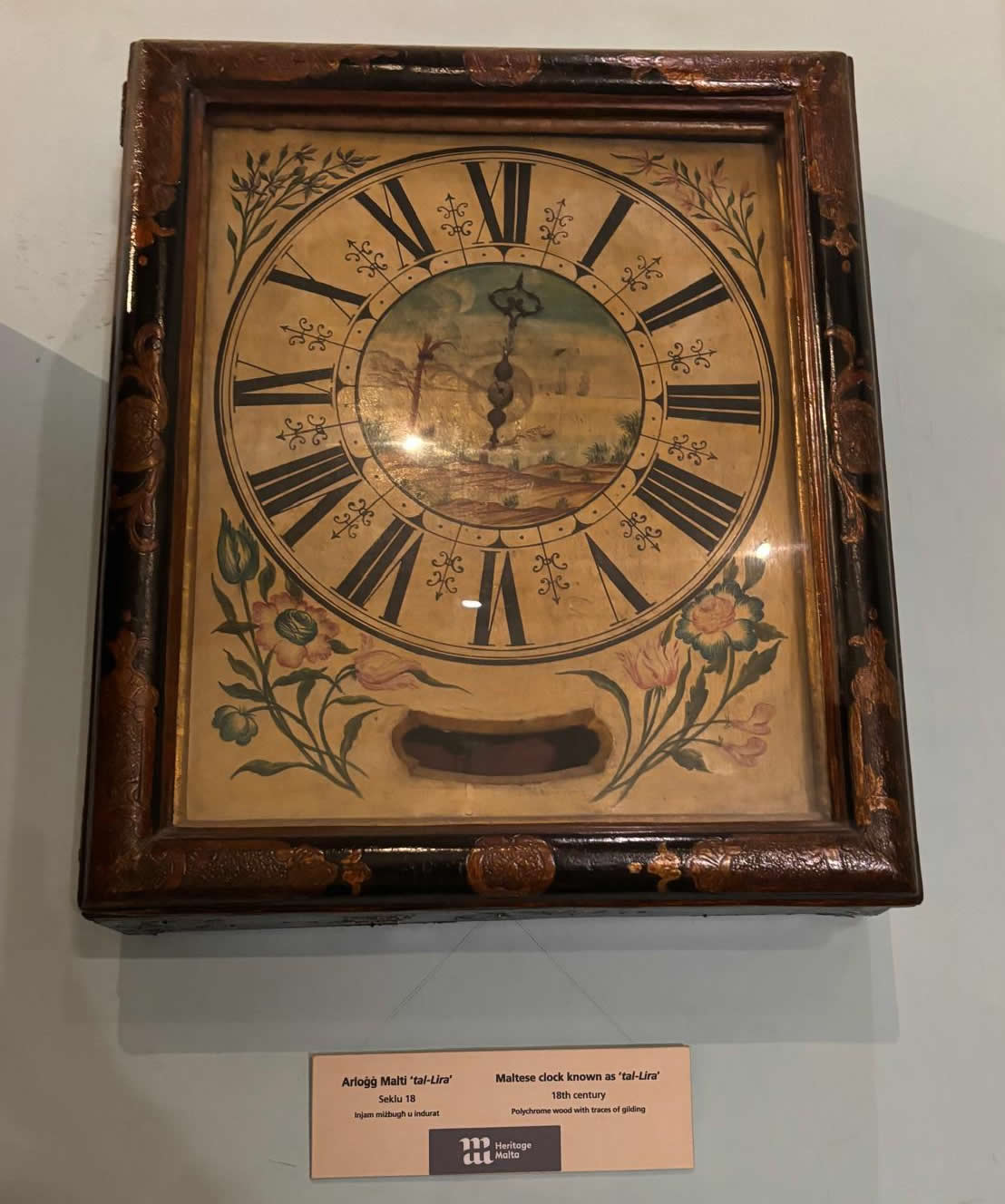
- Ethnographic collections
- Religious artefacts
- Interpretations of daily life in historical Malta
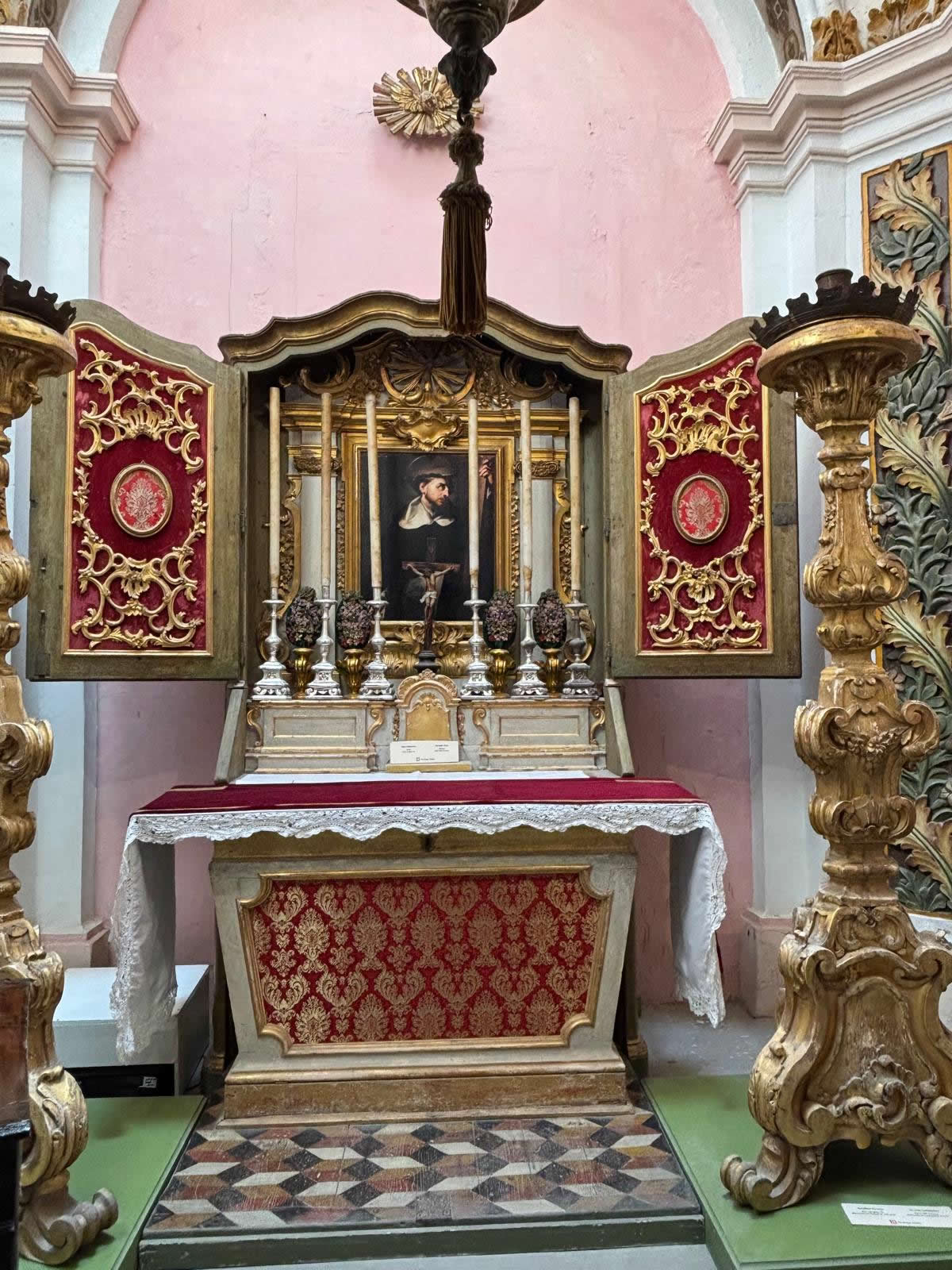
It is notable as one of the very few surviving Inquisitor’s Palaces in the world, and the only one open to the public.
Architectural Significance
The building’s architecture reflects its long evolution:
- 16th-century judicial origins
- 17th–18th century Baroque expansion
- Later adaptations for institutional use

Key features include:
- Internal courtyards
- Gothic and Baroque elements
- A complex, layered layout
Cultural Importance
The Inquisitor’s Palace stands as a powerful symbol of Malta’s historical journey, representing:
- The rule of the Knights of St John
- The influence of the Catholic Church
- The development of legal and social structures
Its history provides valuable insight into the interaction between authority, religion, and daily life in Malta over several centuries.
Location
Location:Birgu (Vittoriosa), Malta
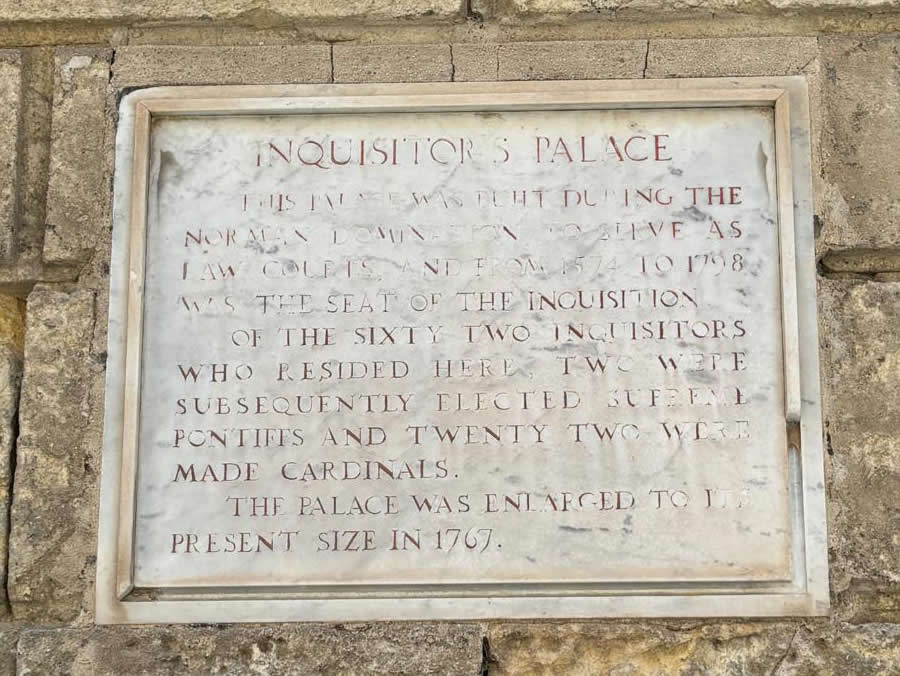
INQUISITOR'S PALACE
THIS PALACE WAS BUILT DURING THE
NORMAN DOMINATION TO SERVE AS
LAW COURTS AND FROM 1574 TO 1798
WAS THE SEAT OF THE INQUISITION
OF THE SIXTY TWO INQUISITORS
WHO RESIDED HERE, TWO WERE
SUBSEQUENTLY ELECTED SUPREME
PONTIFFS AND TWENTY TWO WERE
MADE CARDINALS.
THE PALACE WAS ENLARGED TO ITS
PRESENT SIZE IN 1767
Conclusion
The Inquisitor’s Palace in Birgu is a unique historical monument that encapsulates over five centuries of Maltese history. From its origins as a law court to its role as the centre of the Inquisition and its present function as a museum, the palace offers a comprehensive narrative of Malta’s past.
Today, it remains one of the most important heritage sites in Malta, attracting visitors interested in history, architecture, and the complex legacy of the Inquisition.
Frequently Asked Questions
When was the Inquisitor’s Palace built?
It was originally constructed in the 1530s as the Castellania.
What was its main purpose?
It served as the headquarters of the Inquisition in Malta for over 200 years.
Can you visit it today?
Yes, it is open as a museum.